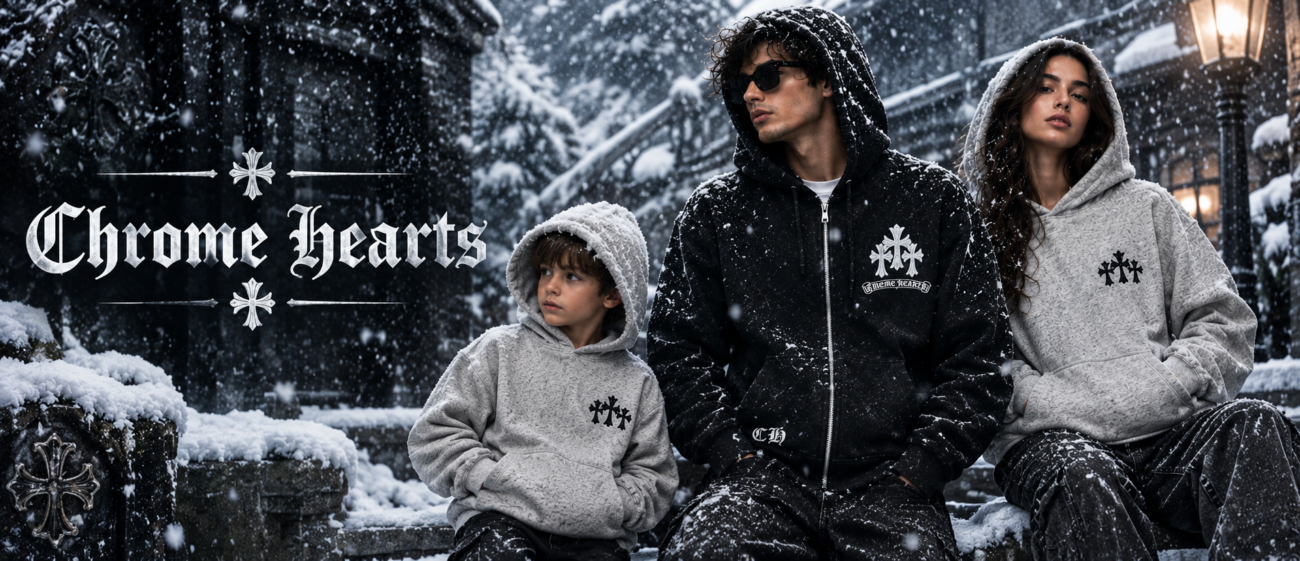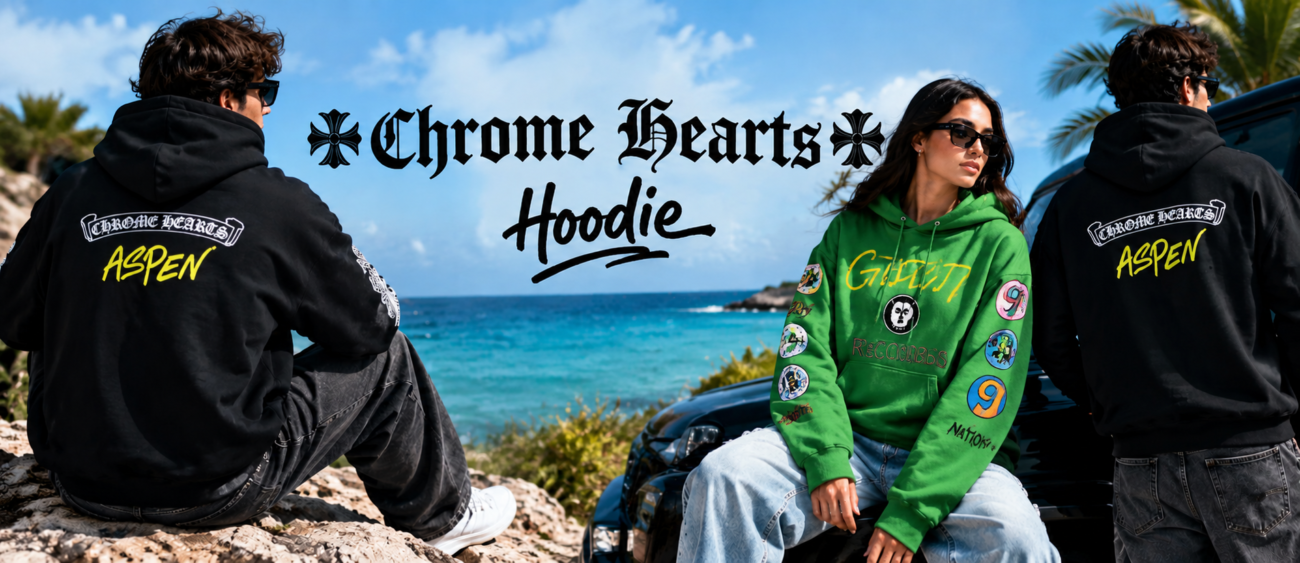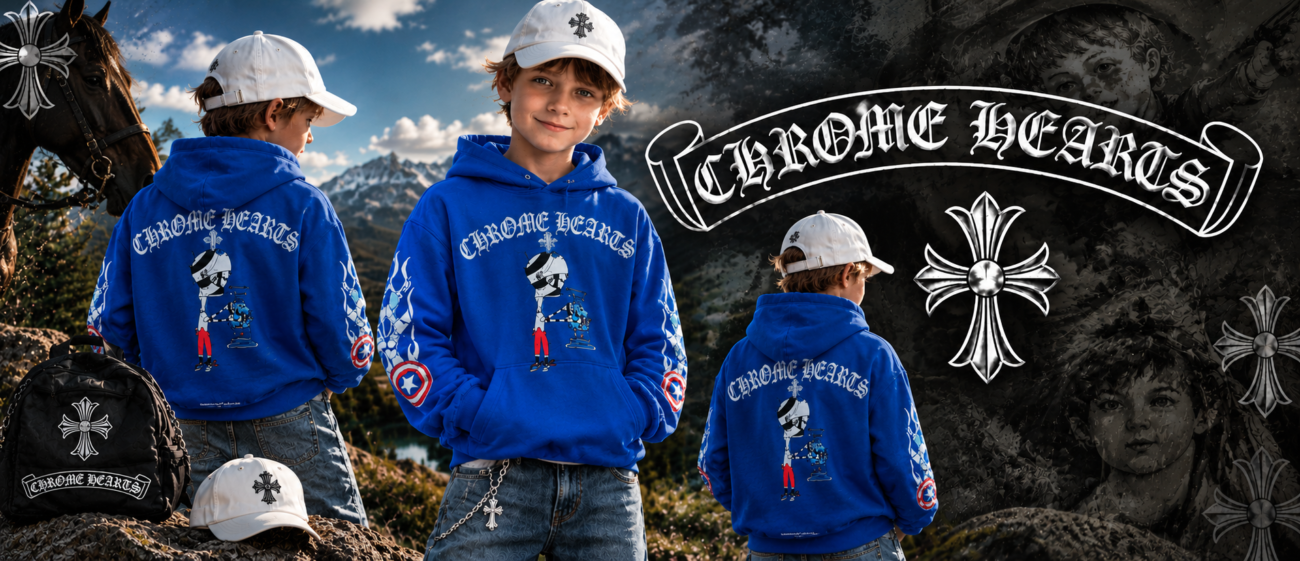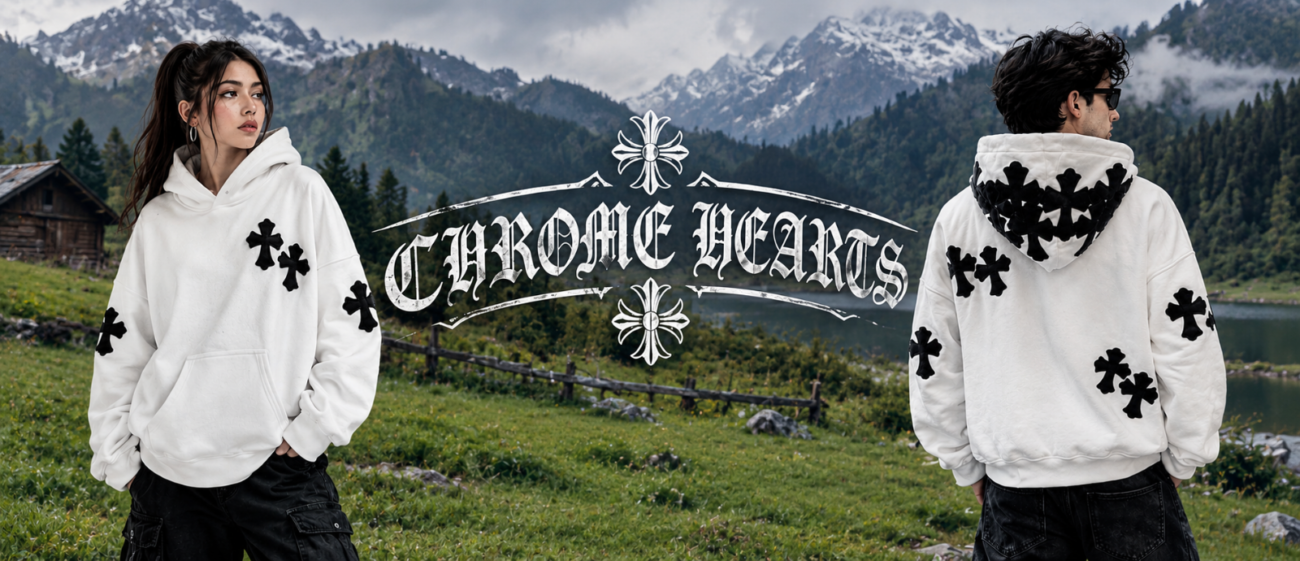
Chrome Hearts Brand History — From Biker Leather to Global Luxury
Chrome Hearts began in a garage. In 1988, Richard Stark launched the brand in Hollywood, California as a leather goods and silver jewelry operation serving the rock and biker communities he was art of. Today, Chrome Hearts is valued at close to a billion dollars and worn by some of the most recognisable names in music, sport, and fashion. The distance between those two points is one of the most unusual brand stories in American fashion history. This guide covers the full Chrome Hearts brand history — where it started, how it grew, who shaped it, and why it matters in 2026.
The Founding — Hollywood, 1988
Richard Stark founded Chrome Hearts in 1988 alongside Leonard Kamhout and John Bowman. The three were embedded in the Los Angeles biker and rock music scene. Stark had no fashion industry background. He had no formal design training. What he had was a precise sense of what he and his community wanted to wear — and the metalworking skills to make it himself.
The brand’s first products were sterling silver belt buckles, leather riding chaps, and motorcycle accessories. Everything was made by hand in Los Angeles. The materials were premium — .925 sterling silver, full-grain leather — but the context was entirely outside the luxury fashion world. Chrome Hearts was serving rock musicians and bikers, not fashion buyers.
The name itself reflects that origin. Chrome refers to the metalwork. Hearts is a nod to the design motifs — the hearts, crosses, daggers, and scrolls that Stark was producing in silver from the brand’s earliest days. Both elements remain central to the brand in 2026, four decades later.
The 1990s — Rock Music and First Recognition
Chrome Hearts’ early growth came entirely through word of mouth within the rock music world. Stark and his family — his wife Laurie Lynn Stark became a key creative partner — were genuinely embedded in the Los Angeles music scene. The pieces were worn by musicians who actually wanted them, not who were paid to wear them.
By the mid-1990s, rock artists, filmmakers, and actors had discovered Chrome Hearts. The brand opened its first flagship store on North Robertson Boulevard in West Hollywood — the same address where it remains today. The store became a destination rather than just a retail space. Chrome Hearts had no advertising budget and no marketing strategy. The product and the community around it were the only promotional tools the brand used.
In 1992, Chrome Heart won the CFDA (Council of Fashion Designers of America) award for accessories — an extraordinarily unusual recognition for a brand operating entirely outside the conventional fashion industry. It confirmed that what Stark was making had design merit that extended beyond its subcultural origins.
The 2000s — Expansion and the Luxury Market
Chrome Hearts entered the 2000s with a growing international presence. The brand opened stores in Japan first — Tokyo and Osaka — responding to demand from Japanese buyers who had been purchasing through importers and secondary markets. Japan recognised Chrome Heart as a luxury brand before most of the Western fashion industry did.
Additional stores opened in New York, Las Vegas, Miami, and internationally in Hong Kong, Seoul, Paris, and other cities. Each store was designed by Richard and Laurie Lynn Stark as a unique space — no two Chrome Hearts Hoodie stores are identical. The retail environment is part of the brand’s product in the same way the garments and jewelry are.
Throughout the 2000s, the brand expanded its product range significantly. Furniture. Eyewear. Fragrances. Home goods. Chrome Hearts was no longer a jewelry and leather brand — it was building toward a complete lifestyle offering, always in its own retail spaces and always on its own terms.
The 2010s — Streetwear Discovers Chrome Hearts
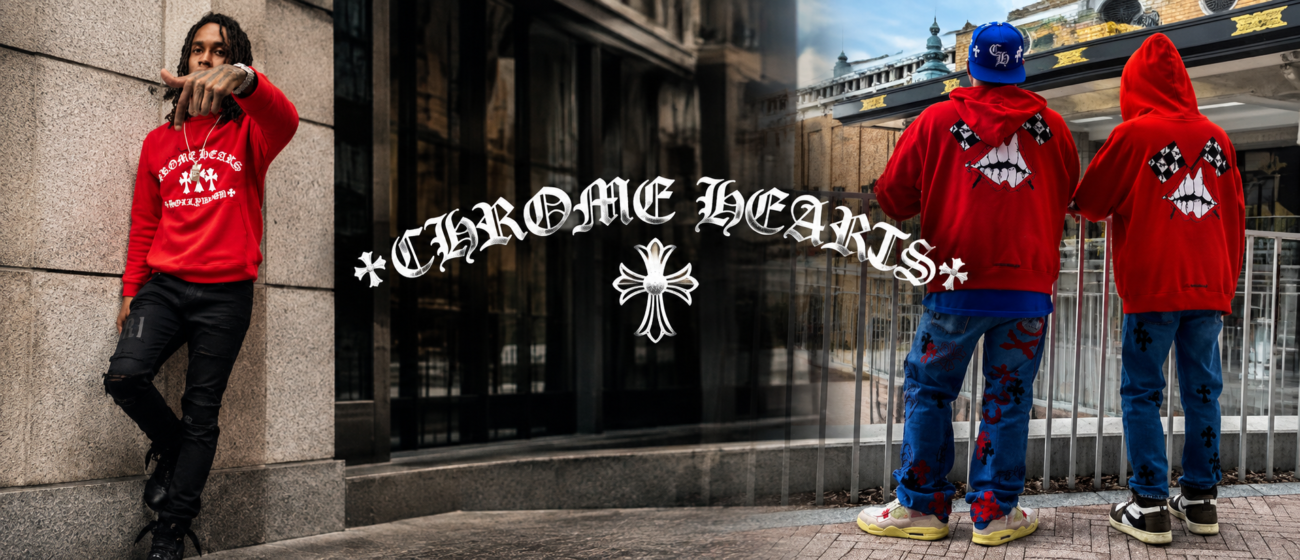
The most significant shift in Chrome Heart cultural position came in the 2010s when hip-hop and streetwear embraced the brand. Artists including Kanye West, Drake, Travis Scott, and Lil Uzi Vert began wearing Chrome Heart — not as a fashion statement but because they genuinely wanted the pieces.
This was not a collaboration strategy. Chrome Heart did not pursue these artists. The brand’s gothic aesthetic, its rock-and-roll DNA, and its reputation for genuine quality resonated with musicians who were simultaneously exploring luxury and rejecting conventional luxury branding. Chrome Hearts offered both without compromise.
The result was a significant shift in the brand’s audience without any change in the brand itself. Chrome Hearts continued making the same products in the same Hollywood facility it had always used. The market simply caught up to what the brand had always been.
By the late 2010s, Chrome Hearts had also entered into a series of significant collaborations — with designers, artists, and cultural figures — that further expanded its reach. The Chrome Heart collaboration history includes partnerships with Bape, Matty Boy, Off-White, and numerous others, each producing pieces that carry the cultural weight of both brands.
The 2020s — Global Status
Chrome Hearts entered the 2020s as one of the most culturally significant labels in American fashion — not because it had pursued that status, but because it had maintained its founding principles for over three decades while the market shifted around it.
The brand’s estimated value of approximately $985 million as of 2021 reflects a business that has grown without advertising, without celebrity endorsement deals, without a conventional retail strategy, and without compromising its production standards or its Los Angeles manufacturing base. Over 1,000 employees work at the Hollywood production facility. Every Chrome Heart piece is still made in the United States.
Laurie Lynn Stark serves as a central creative figure alongside Richard. Their daughter Jesse Jo Stark has become a visible part of the brand’s next generation — a musician and creative figure who represents the brand’s continued connection to music and counter-culture.
Chrome Hearts Today
Chrome Hearts operates over 30 stores globally in 2026. Each store is a unique space. The brand still produces its sterling silver jewelry, leather goods, clothing, eyewear, and home goods in Los Angeles. It still does not advertise in the conventional sense. It still does not pursue celebrity endorsements.
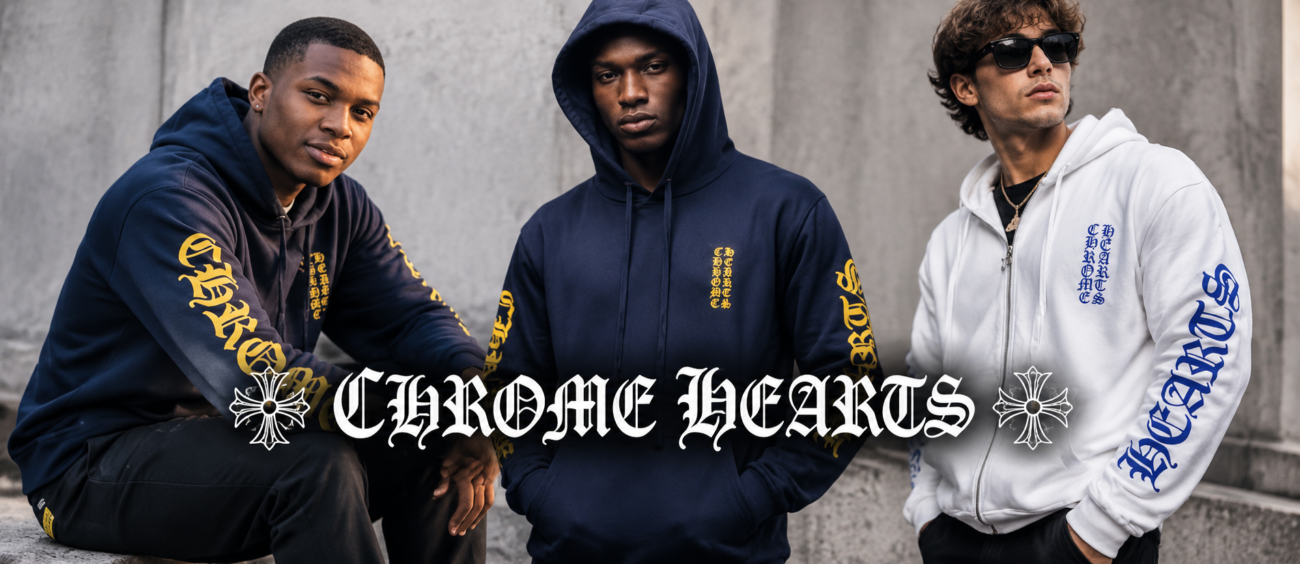
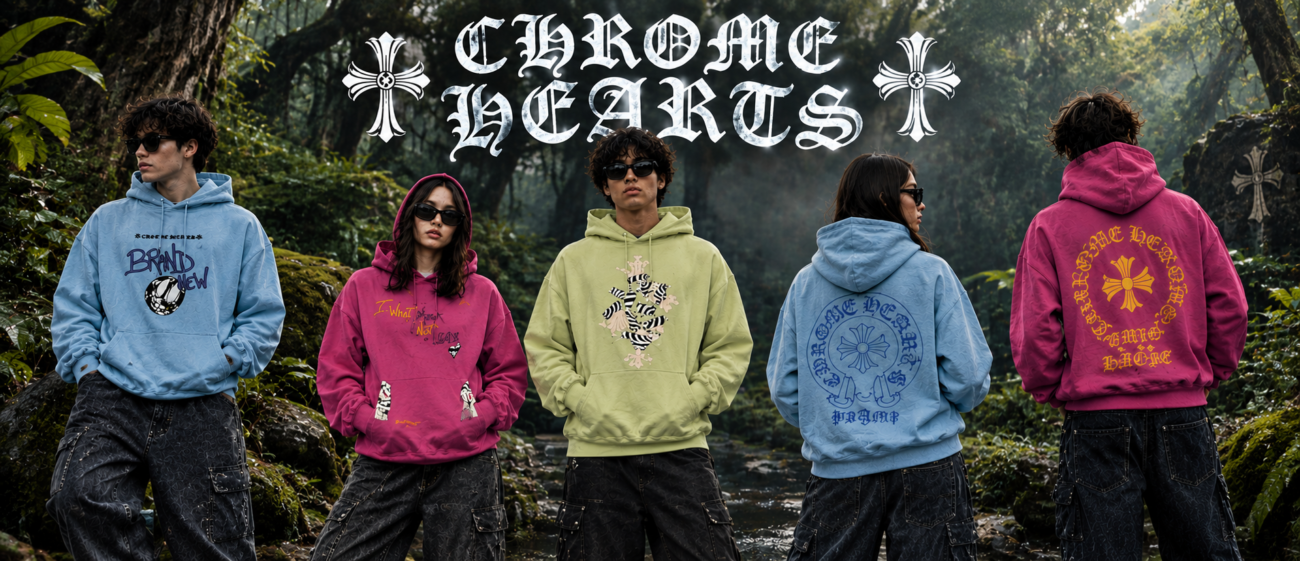
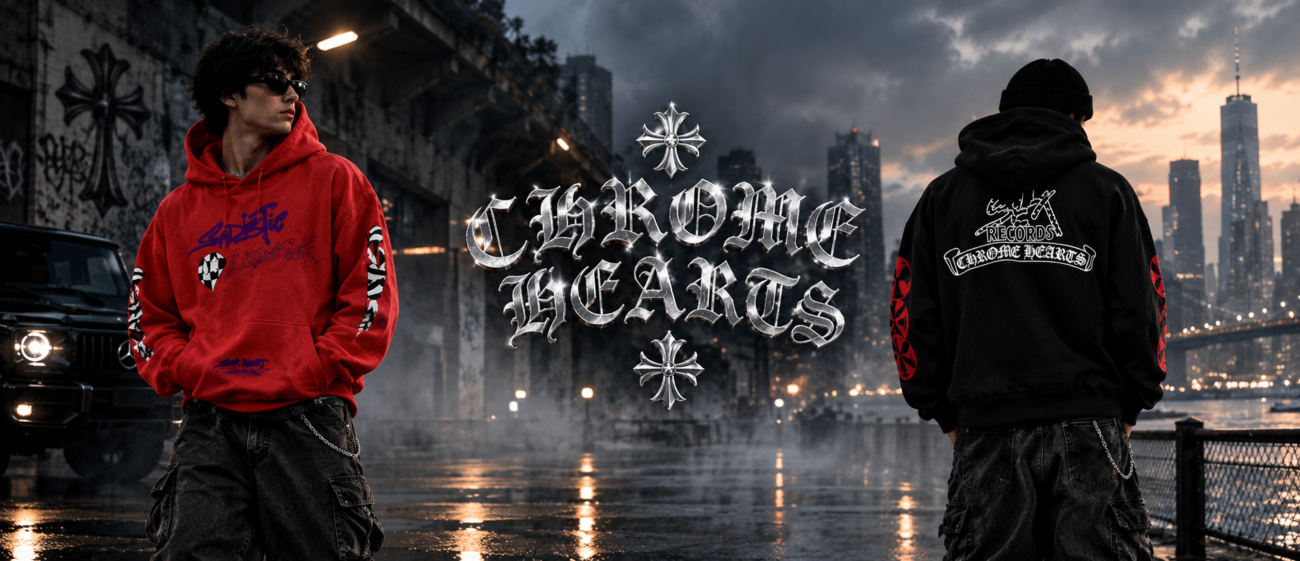
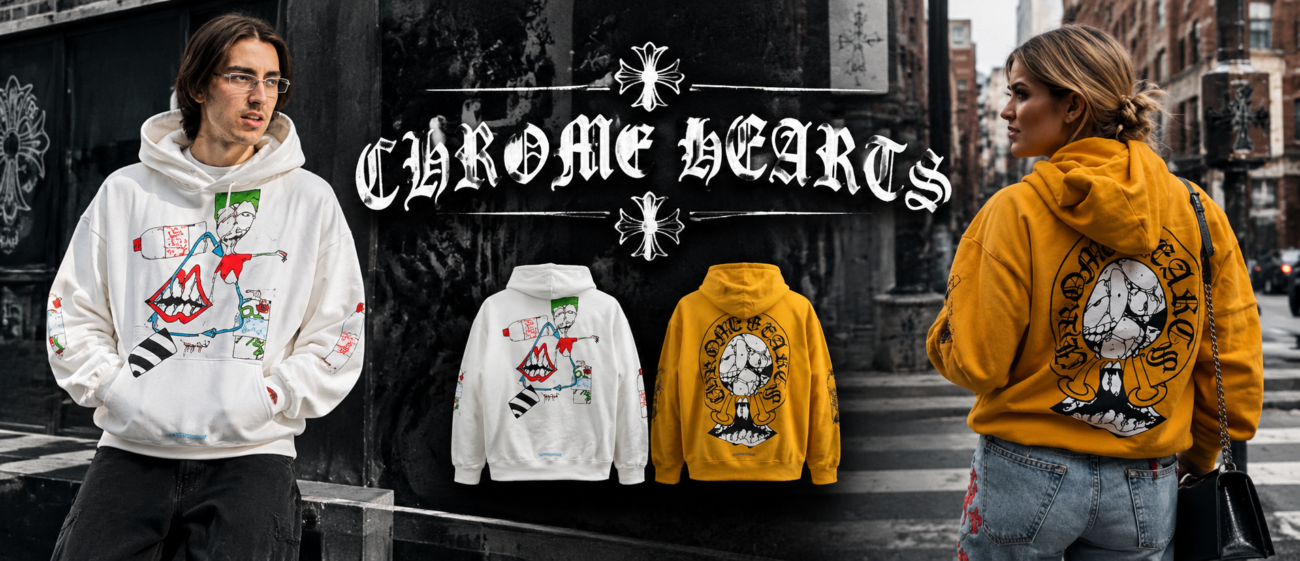
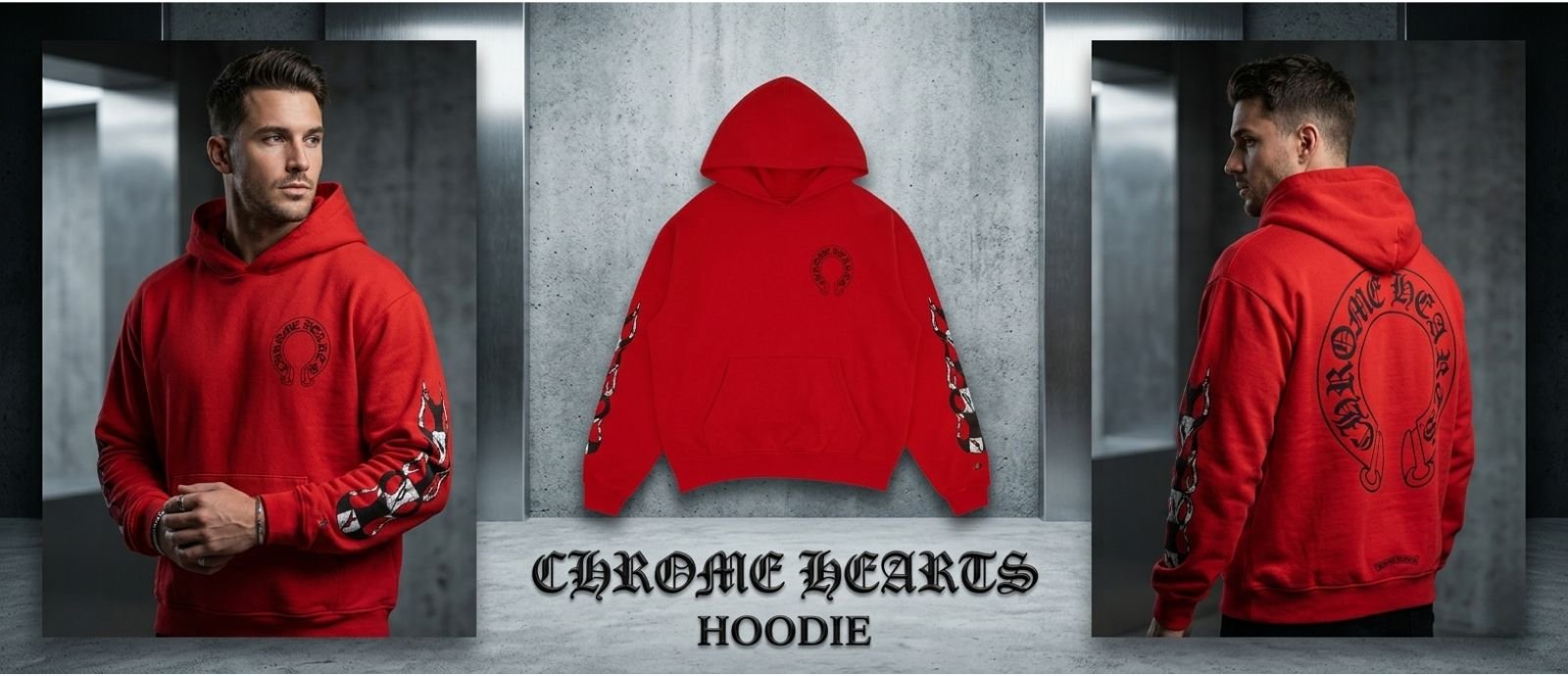
The Chrome Hearts hoodie, the Chrome Hearts ring, the Chrome Heart jewelry catalogue — every current product traces directly back to the aesthetic decisions Richard Stark made in 1988. The cross, the dagger, the fleur-de-lis, the scroll. The .925 sterling silver. The heavyweight leather. These elements have not changed.
That consistency is the Chrome Hearts story. In an industry that reinvents itself seasonally. Chrome Heart has spent four decades making the same commitment to the same materials and the same aesthetic. The market has continued to value it more with every passing year.